World Oral Health Day 2026: Why Early Oral Care Matters for Babies & Toddlers
Mar 14, 2026
VMPL
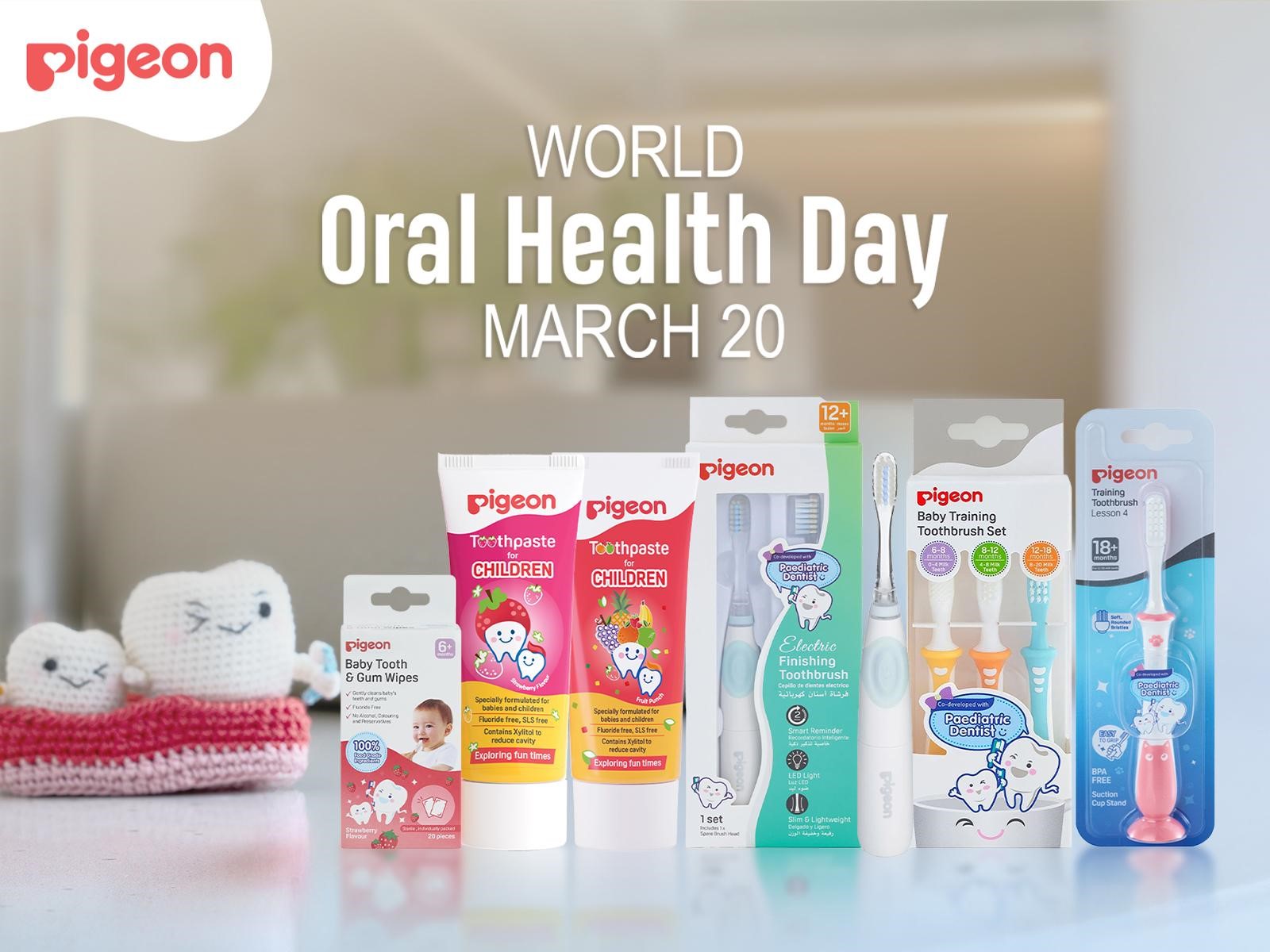
New Delhi [India], March 14: Every year on March 20, World Oral Health Day rolls around to remind us that a healthy smile doesn't just appear out of nowhere; it's built through daily habits. It is a common misconception that dental care is something you can put off until a child is older. In reality, the foundation for oral hygiene starts the moment you bring your baby home. Setting a routine early on does more than just clean teeth; it protects delicate gums and helps your little one feel completely at ease with a toothbrush as they grow.
The Big Impact of Tiny Teeth
It's easy to dismiss baby teeth since they're "temporary," but these little guys are absolute workhorses. They are crucial for helping babies learn to chew correctly, supporting clear speech, and essentially acting as placeholders for the adult teeth that come later.
Because baby teeth have much thinner enamel than ours, they are surprisingly vulnerable to cavities. When milk, formula, or solid food particles linger in a tiny mouth, they create a playground for bacteria. If you aren't careful, this can lead to early childhood tooth decay one of the most frequent dental issues for young kids, and yet one of the easiest to prevent.
Timing Your Start
If you're waiting for that first tooth to break through the surface, you might actually be a little behind. Milk can leave a film on the gums from day one, so it's best to start a cleaning habit during those first few months of infancy.
* Infancy (0-6 Months): After feedings, use gum wipes, clean, damp cloth or a silicone finger brush to gently wipe your baby's gums.
* The First Tooth: As soon as that first tooth pops up (usually around 6 months), you can transition to a small, soft-bristled baby toothbrush.
* The One-Year Milestone: After the first birthday, you can start using a tiny smear of mild toothpaste made specifically for toddlers.
These small efforts help your baby normalize the feeling of oral care, making it a standard part of their day rather than a struggle.
Choosing the Right Tools
Using an adult toothbrush on a baby is like using a giant scrub brush on delicate silk it's just too rugged. Infant dental gear is specifically designed for safety and comfort. You want to look for extra-soft bristles, micro-sized brush heads, and non-toxic materials. Picking a kids toothpaste with a mild flavor also ensures you don't overwhelm their palate. When the tools fit the stage, the whole process becomes smoother for everyone involved.
Building Habits That Actually Stick
The goal is to create a "brushing culture" at home. Here are a few ways to make that happen:
* Ditch the Bedtime Bottle: Never put your baby to sleep with a bottle of milk; the sugars sitting on the teeth overnight can cause what dentists call "bottle rot".
* Make it Fun: Turn brushing into a game or a song-filled event.
* Be the Role Model: Kids are natural mimics. Brushing your teeth alongside them shows them it's just what "big kids" and adults do.
When to See the Professional
Most pediatric experts suggest booking that first "well-baby" dental visit by their first birthday, or within six months of their first tooth appearing. This isn't just about a checkup; it's a great chance for you to get personalized tips and for the dentist to track development. Of course, if you see white or brown spots, swollen gums, or if feeding seems to cause them discomfort, don't wait--book a consult right away.
Small Steps, Big Benefits
This World Oral Health Day 2026, the message is simple: start small, but start now. It might feel like just one more task in a busy day, but these tiny routines are the very foundation of a lifetime of healthy smiles.
(ADVERTORIAL DISCLAIMER: The above press release has been provided by VMPL. ANI will not be responsible in any way for the content of the same.)