Sentient Animals Like Elephants Deserve More Respect, says New Study by World Animal Protection
Jan 14, 2026
NewsVoir
New Delhi [India], January 14: New research conducted by World Animal Protection states that two thirds of captive elephants in Thailand's tourism industry still live in poor conditions, despite some welfare improvements. Most elephants used in Thailand's tourism industry continue to suffer in captivity, according to new World Animal Protection research.
Nearly two in three captive elephants are still living in poor conditions, despite some limited progress since the last assessment in 2019.
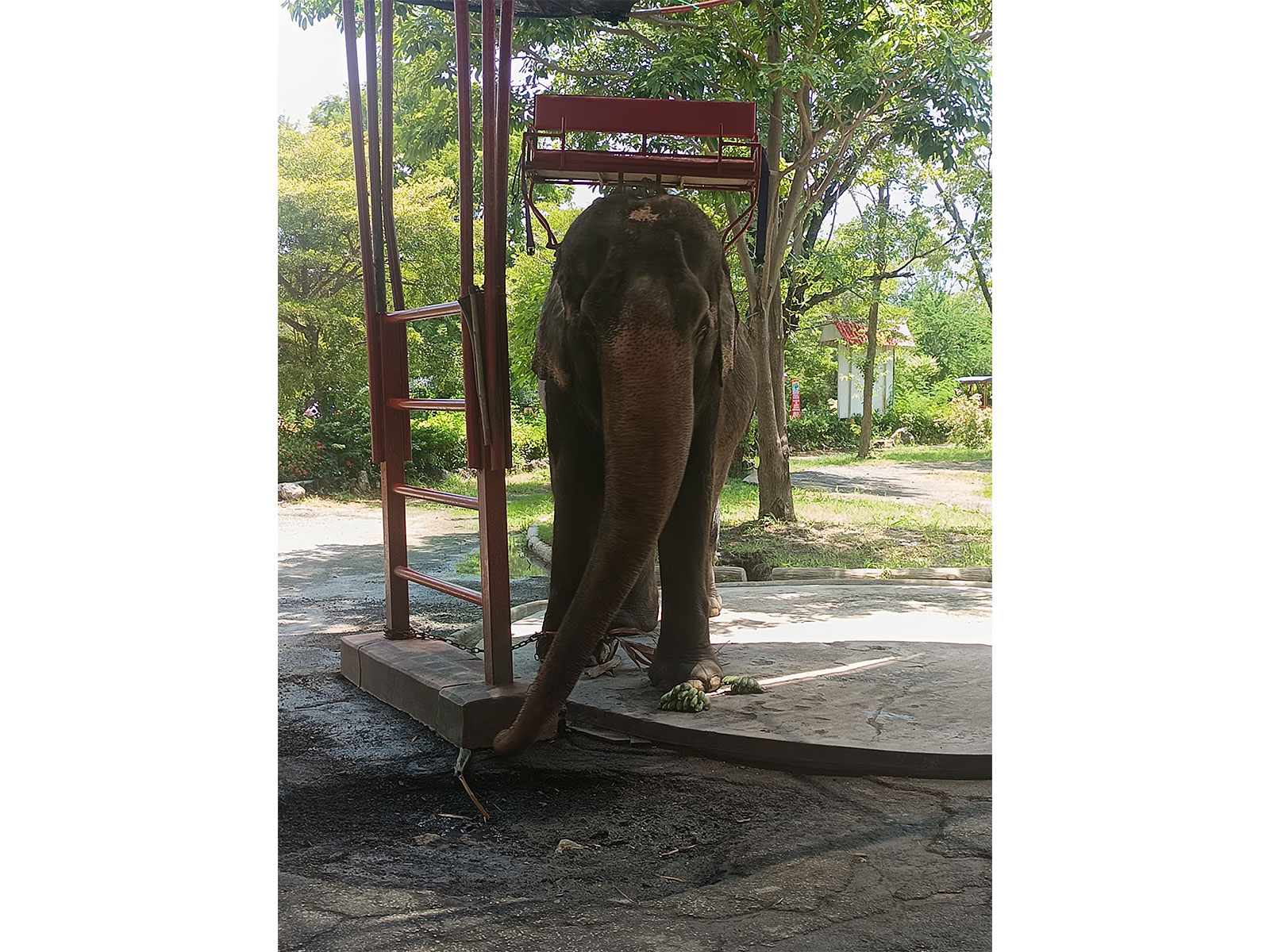
Elephants continue to endure short chaining, inadequate diets, dirty living conditions, lack of veterinary care and forced tourist interactions including riding, washing and shows.
The research, led by World Animal Protection elephant expert and wildlife veterinarian Dr Jan Schmidt-Burbach, assessed 236 tourism venues housing 2,849 elephants across Thailand between February 2024 and January 2025. Encouragingly, observation-only elephant experiences with no direct human contact are increasing.
In 2024, 7.3% of captive elephants were kept at venues offering observation only experiences, compared with 4.6% in 2010.
The findings are published in Bred to Entertain - A new assessment capturing 15 years of Thailand's elephant tourism industry, released on 12 January 2026. Link:
Using nine animal welfare criteria, the study found persistently low welfare standards across venues, with results almost identical to those recorded in 2019. World Animal Protection has long documented the severe physical and psychological harm caused by elephant rides and shows, driven by harsh training methods and restrictive living conditions that prevent elephants from expressing natural behaviours.
This study is of cardinal importance to the elephant riding situation in India given the status of riding elephants, especially the eighty elephants in Amer Fort in Jaipur in Rajasthan, the restarting of elephant rides in Corbett National Park (Tiger Reserve) and the tragic death of an elephant safari elephant named Swarnimoyee in Kaziranga on 11 December, 2025. The current situation is untenable and continuing research like the recent study in Thailand continue to show that captive elephants suffer in confined spaces and that the current tourism policy worldwide that somehow finds it acceptable that wild animals in captivity are entertainers needs to change.
In India, we are faced with massive issues of habitat loss and human animal conflict and the need of the hour is to address these in situ, rather than bring in more elephants into captivity and add to the wildlife trade and wildlife entertainment problem.
We understand that in a fast changing world, business models are adapting to new demands and tastes, and there is a very significant trend toward humane animal treatment that moves away from traditional practices of treating animals as commodities and commercial resources rather than sentient beings.
Regarding sentience, we are increasingly seeing very big strides in recognition of sentience in all animals, with debates becoming increasingly prevalent on whether all forms of animals, including invertebrates and forms of animals that have traditionally not been considered as being particularly sentient fit the sentience category and if sentience can extend to artificial intelligence in the advanced learning models that are now being developed. 2026 is being considered a cardinal year for discussions on the subject of sentience, with New Zealand making significant strides in this area. Sentience in animals like elephants and great apes now clearly show that their cognitive and behavioral abilities make them candidates for many rights that are accorded to humans.
World Animal Protection has been working on several levels to address the problem of sentient animals like elephants being mistreated: by lobbying and advocating for policy changes with the government, by convincing corporates to come out of offering cruel elephant rides and by engaging people to pledge not to take elephant rides anywhere, in any venue.
It is hoped that with emerging consciousness on the nature of animal sentience and emerging research that shows that breeding and maintaining elephants in captivity represent unscientific and immoral attitudes to our relationship with other life forms, wildlife tourism practices will change. In this regard, World Animal Protection is pleased to welcome Wildpaw Adventures and North East Travels under the wildlife friendly tourism initiative with the hope that other travel companies will follow their suit to move to more responsible travel practices.
"We hope the Thailand report research will encourage outbound Indian tourists to avoid low welfare venues abroad and exercise responsible travel choices in India to respect sentient animals like elephants. With India assuming the Presidency of BRICS in 2026, it is important for governments to recognize the role of sentience in framing policies toward tourism involving animals, wildlife trade and treatment of farm animals with regard to health and zoonoses as well," says Gajender Kumar Sharma, Country Director, World Animal Protection in India.
(ADVERTORIAL DISCLAIMER: The above press release has been provided by NewsVoir. ANI will not be responsible in any way for the content of the same.)