Oil slips and stocks recover as fears over Hormuz blockade ease
May 21, 2026
Washington [US], May 21: Oil prices slid and European stock markets advanced Wednesday after a South Korean tanker passed through the Strait of Hormuz, easing concerns about the apparent impasse between the US and Iran on ending the war in the Middle East. Asian stocks were mostly lower, however, tracking a pullback on Wall Street.
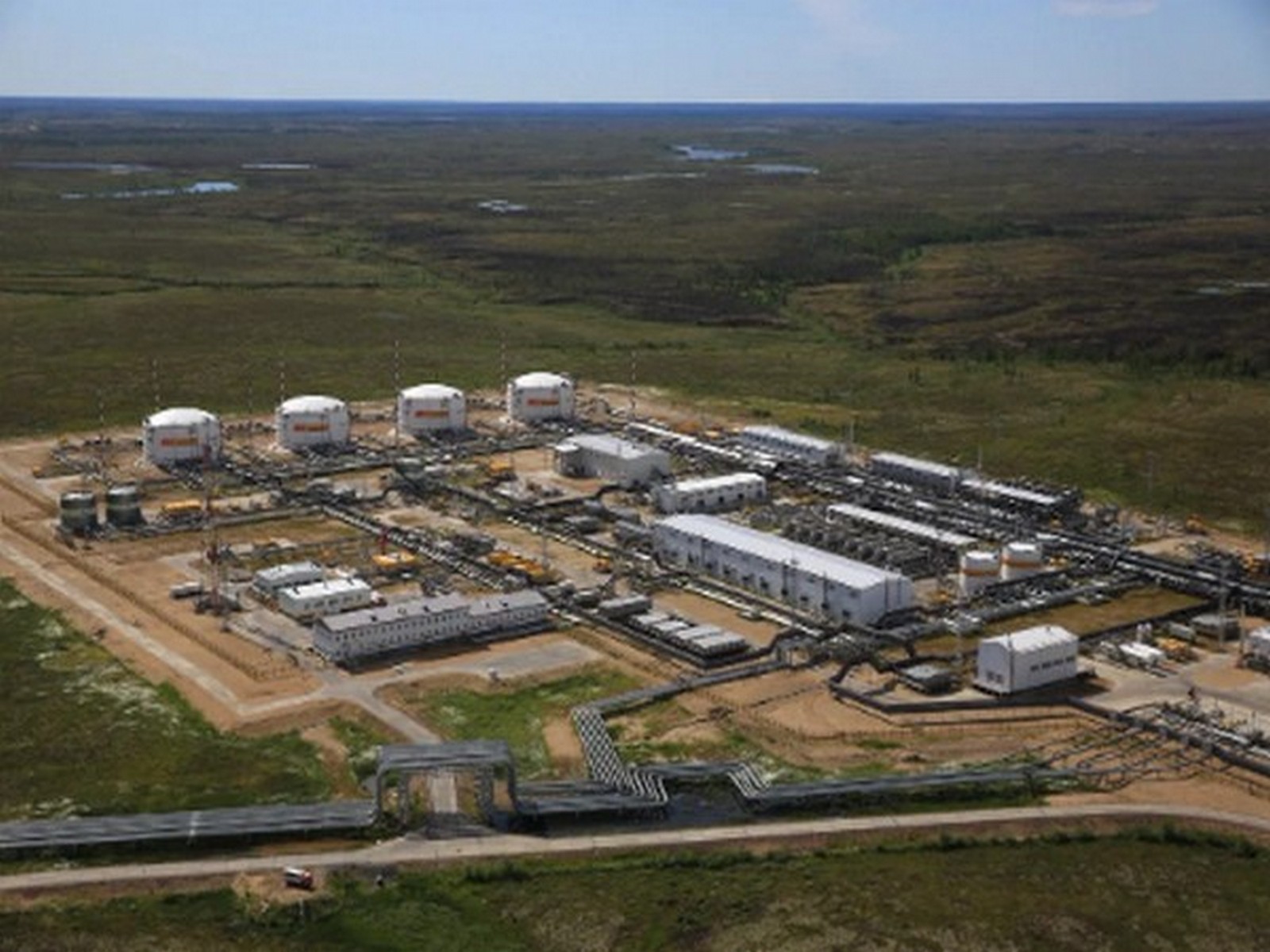
Investor focus was also on Wednesday's results update from AI chip giant Nvidia that should offer a fresh assessment of a sector that has fuelled stock market optimism this year. But despite dropping around three percent, the international benchmark Brent North Sea crude remained close to $110 a barrel, far above pre-war levels and cementing concerns that inflation could remain elevated for longer.
Government bond rates have reached the highest levels in decades on worries that the Middle East war will keep energy prices high well into this year. "Oil remains the central macro pressure point," said Sucden Financial analyst Viktoria Kuszak.
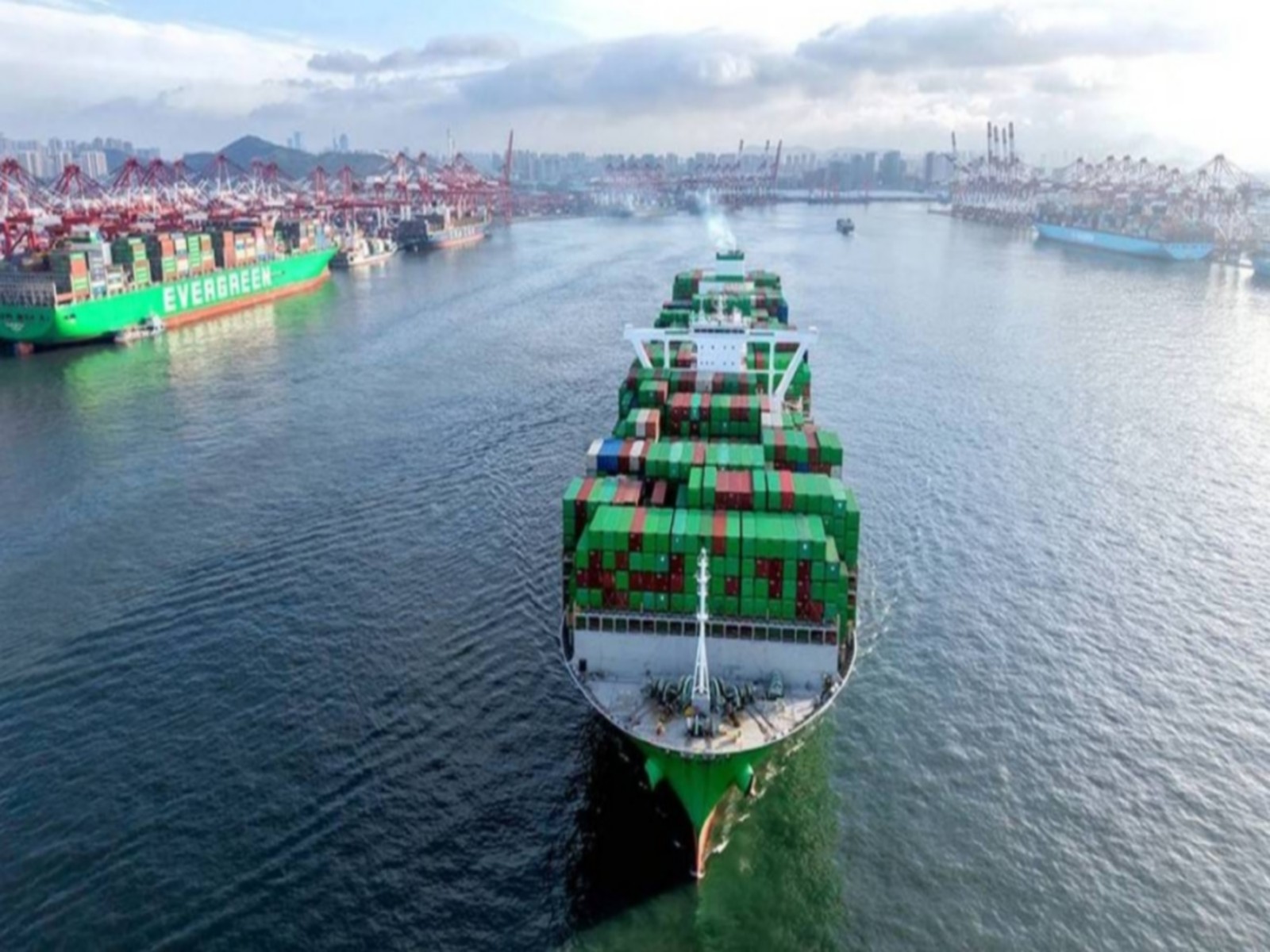
"We expect the combination of higher yields, a firm dollar and unresolved energy risk to keep risk appetite constrained, with Nvidia earnings the next key test for equity sentiment," she said. But the ship-tracking site MarineTraffic showed a South Korea-flagged tanker, Universal Winner, on the eastern side of the Strait of Hormuz near the entrance to the Gulf of Oman, bound for the South Korean city of Ulsan.
It was the first transit by a South Korean vessel through the key waterway since the Iran war began at the end of February.
Since the United States and Israel began their war with Iran, the Strait of Hormuz an energy corridor through which 20 percent of global crude usually transits-has been effectively closed to shipping.
Iran warned Wednesday that the Middle East war would spread far beyond the region if the United States and Israel resumed their attacks, after President Donald Trump threatened to strike again unless a deal is reached.
A ceasefire on April 8 brought a halt to a conflict that has roiled the global economy, but with Washington and Tehran seemingly reluctant to resume the fighting a war of words has taken its place. In France, the chief of Credit Agricole, one of the country's biggest banks, told investors Wednesday that given the economic and geopolitical turmoil "nothing is arguing for optimism".
Olivier Gavalda warned at the bank's shareholder meeting of likely interest rate hikes in Europe to counter growing inflation pressures, "which could lead to a decline in both consumer spending and investment". "The internal data we analyse suggests a steep drop in the business climate and a significant erosion in household confidence," he added.
Source: Qatar Tribune