How Kidney Dialysis Is Done: Step-by-Step Overview for Beginners
Jan 06, 2026
VMPL
New Delhi [India], January 6: For many dialysis patients, the whole idea can feel extremely confusing and even a bit scary because the process isn't always explained clearly. Sometimes the patient themselves may not remember the steps correctly. Even when the doctor tries to explain all the details, beginners often forget half of it, mix up steps, or believe things they heard from neighbours that aren't actually correct. So the dialysis process becomes more stressful than it should be. In many parts of India, people still rely on word of mouth, which leads to more misunderstandings.
Why Dialysis Is Needed in the First Place
Kidneys are supposed to filter waste products from the blood, but when they stop working well or barely function, those harmful substances start building up. They can cause swelling, vomiting, heaviness, breathing difficulties, and other issues that worsen quickly. Dialysis does not cure kidney disease, but it acts like a temporary artificial kidney. Many patients wrongly think dialysis will "fix" the kidneys, but it is not correct. Hence, dialysis serves as a substitute for a kidney and helps maintain proper digestion.
Step 1: Check-In and Pre-Dialysis Preparation
When a patient arrives at the dialysis unit, staff will take blood pressure, weight, check swelling, symptoms, and ask basic questions. Many beginners assume this step is just a formality and doesn't matter, but it is essential because it determines how much fluid the machine will remove. If the patient forgot to report feeling weak or dizzy, it can lead to incorrect settings.
Some people drink too much water before coming, thinking it won't matter, which makes dialysis remove extra fluid badly and causes cramps.
Step 2: Access Area Cleaning and Setup
Dialysis needs a special access--fistula, graft, or catheter. Many patients are confused and think all access is the same, unaware of the actual differences. The nurse cleans the area extremely carefully, but sometimes the patient moves their hand too much or feels anxious, which delays everything.
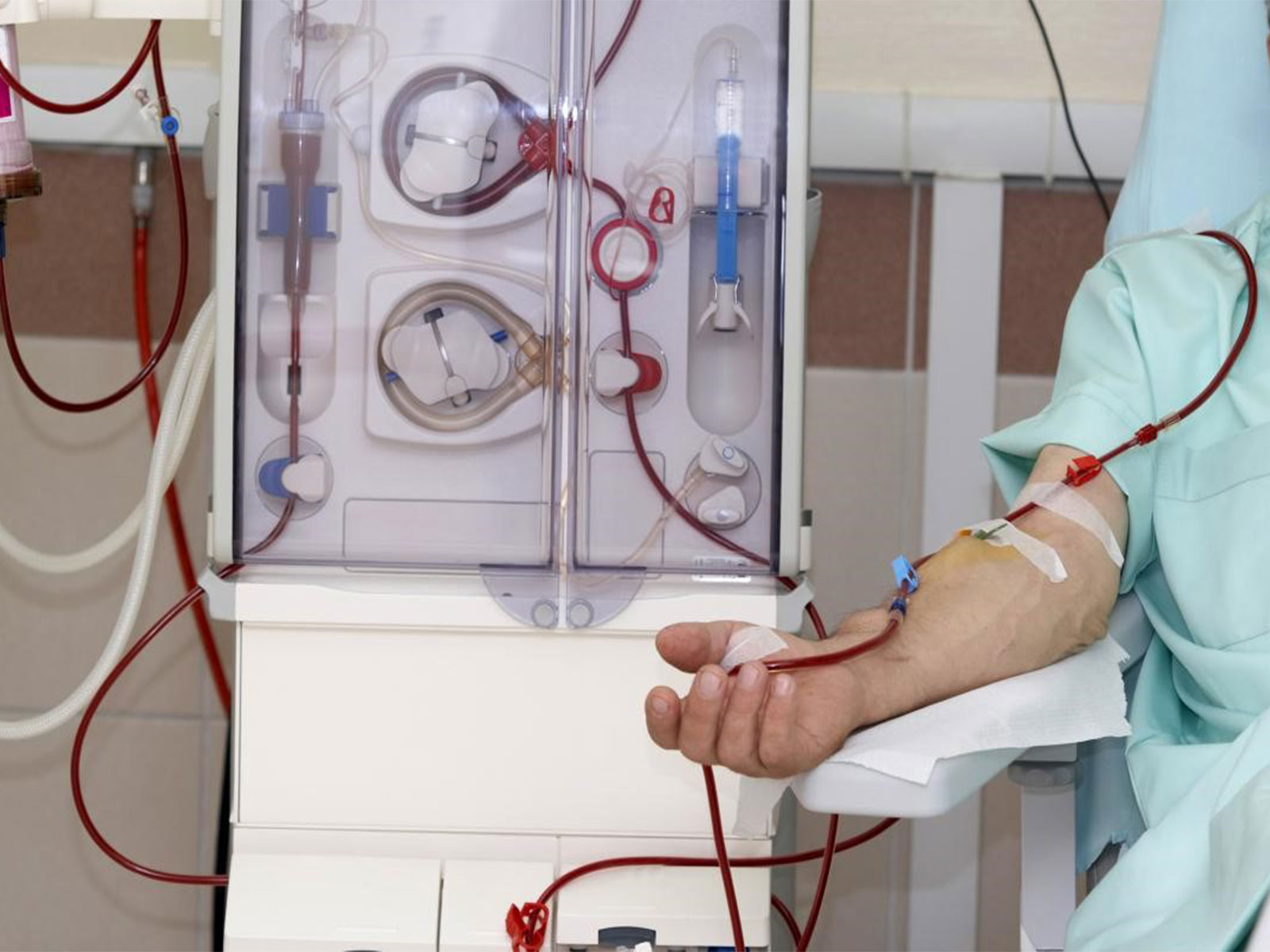
Tubing is primed for air removal. Beginner patients sometimes panic seeing tubes filled with blood, but it's completely normal and safe, and happens every single dialysis.
Step 3: Connecting to the Machine
The nurse inserts the two needles (for fistula/graft) or connects catheter lines. One needle pulls blood out to the machine while another brings cleaned blood back. Many new patients think the machine "stores" blood somewhere or removes too much blood, but actually, blood keeps circulating continuously.
Some feel a slight pinch or pressure when the needle goes in, but after a few sessions, they don't notice it anymore.
Step 4: The Filtering Process Starts
The machine begins removing toxins, correcting electrolyte imbalances, and removing excess fluid from the body. Some people feel chilly or tired or get a slight headache. Others feel nothing at all. Several beginners get scared when they see machine beeps or flashing numbers that they don't understand. They think something big happened, but most of the time it's just routine alerts like pressure change.
Cramps, BP drops, and dryness can happen, and it scares beginners, but it's common during a few early sessions.
Step 5: Full-Time Monitoring During Dialysis
A dialysis session usually takes around 3 to 4 hours. Most new patients keep asking the nurse when it will finish because they get bored or feel restless. The nurse keeps checking BP, symptoms, and machine readings. If they see something abnormal, they adjust the flow. But some patients feel shy about telling the nurse they feel uneasy, afraid the nurse will scold them, which makes the problem worse.
Even minor cramps or nausea must be reported to staff, but beginners sometimes hide them.
Step 6: Disconnecting After Session
After the target fluid is completed, the machine slows down. Nurse removes needle or catheter lines. Pressure is applied to the access spot until bleeding stops. Many patients stand too fast and feel giddiness, then blame dialysis for weakness, but actually, standing slowly helps.
Some also drink a lot of water immediately after finishing because they feel too thirsty, which gives issues in the next dialysis session.
Step 7: Post-Dialysis Check-Up
The patient's weight is rechecked to confirm the amount of fluid lost. If there is a significant mismatch, the patient may have drunk too much water earlier or reported the wrong weight.
Tracking food, water intake, salt, and medicine properly after the session helps over time.
Common Misunderstandings Among New Patients
Many beginners think dialysis is painful, but most times it's not, except for the needle part. Some think dialysis makes kidneys worse or reduces life, but actually, dialysis is what keeps them stable. A lot of confusion comes from myths, WhatsApp forwards, or worrying too much by overthinking.
Healthcare groups like NephroPlus continue to work to make patient education easier, but beginners still need to ask questions openly.
(ADVERTORIAL DISCLAIMER: The above press release has been provided by VMPL. ANI will not be responsible in any way for the content of the same.)