From Struggle to Success: How Manoj Chauhan Sir Transforms JEE Aspirants from Zero to Hero?
Jun 19, 2026
SMPL
New Delhi [India], June 19: "The Question from JEE Exam 2025 Asked That Nobody Could Agree How to Solve?" It wasn't that the question was unsolvable. It was a question that experienced mathematics educators who have taught JEE calculus for decades spent weeks disagreeing over the most efficient path to the answer. Same integral. Same concepts. Entirely different approaches. That is the exam India's best engineering aspirants are preparing for: one that doesn't grade memory, it rewards judgement. Below is the hyped question that we are talking about: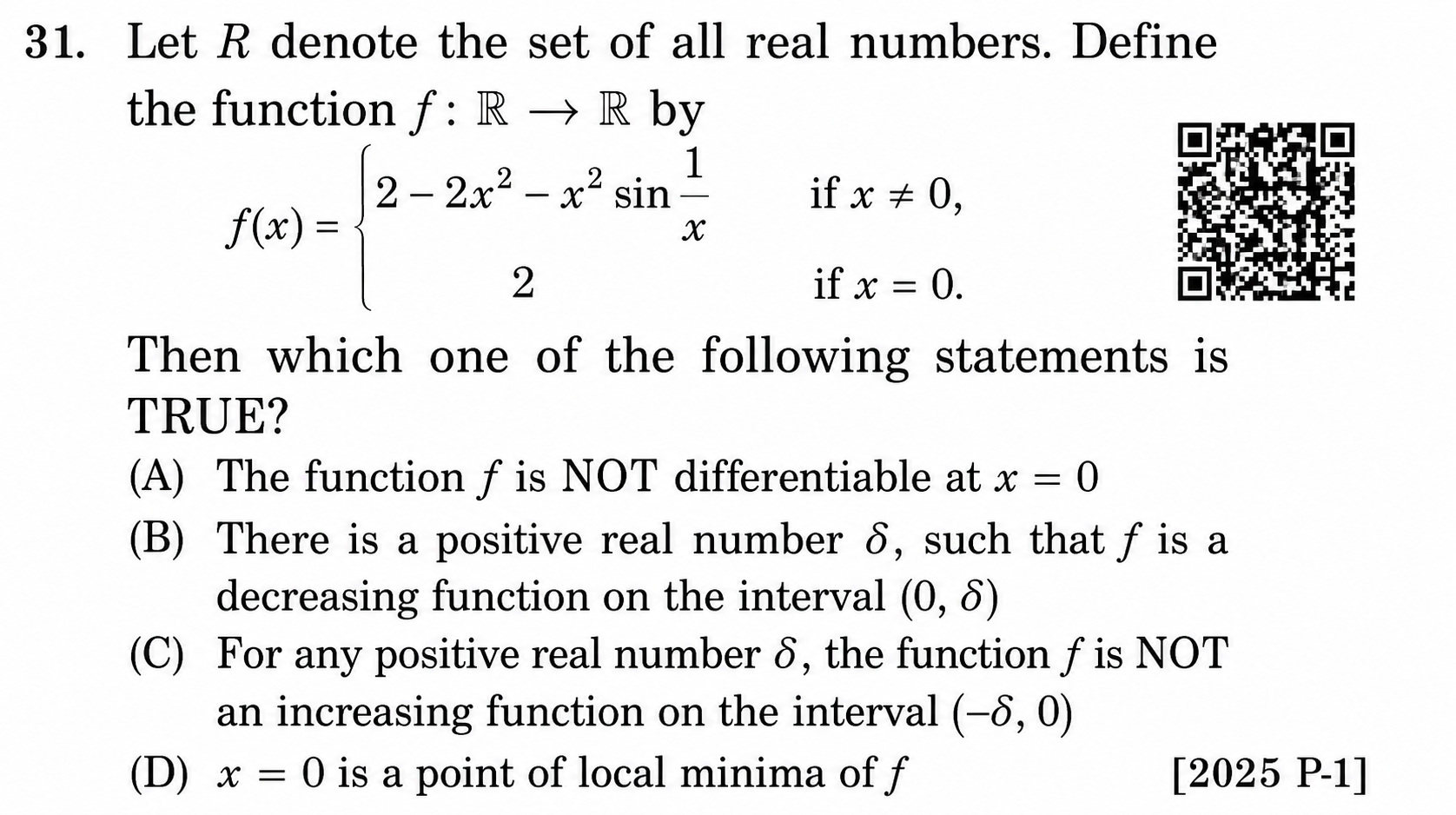
The distinction between knowing a concept and deploying it correctly under pressure is where most JEE preparation journeys quietly break down. Textbooks show students what the answer is. Very few show them how an experienced mathematician reads a problem before the pen touches paper.
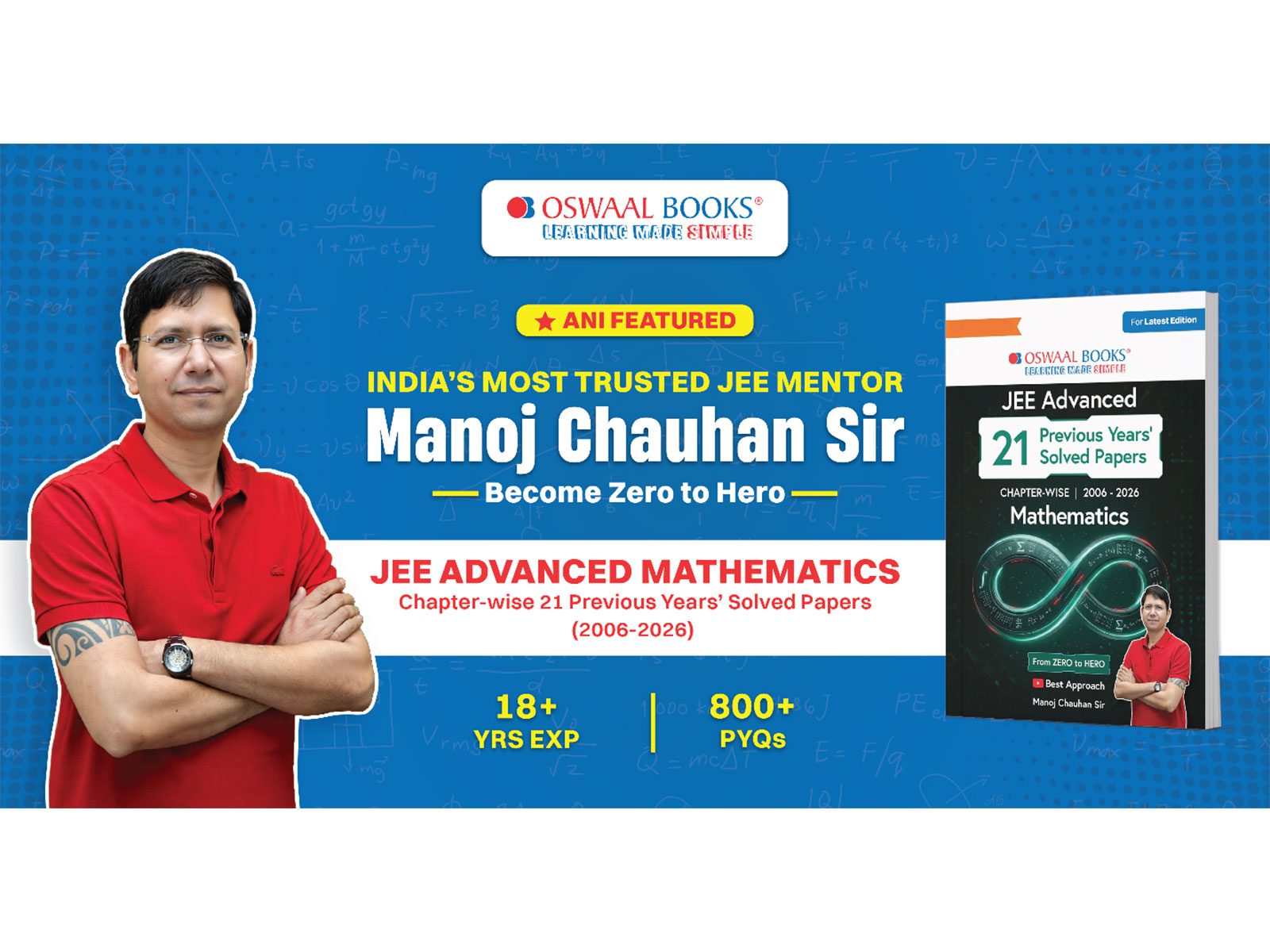
Manoj Chauhan Sir has spent 18 years working precisely in that space. Three of his students -- Brotin Mondal, Amaiya Singhal, and Ipsit Mittal -- have secured All India Rank 1 in the JEE Main Exam three times, a consistency that is difficult to attribute to luck. His latest book, JEE Mathematics: Chapter-wise 21 Previous Years' Solved Papers Zero to Hero, published by Oswaal Books, is structured around a straightforward idea: previous year questions are the most honest preparation material available, but only if the solutions teach thinking, not just steps.
What separates this from the standard PYQ compilation
Every one of the 800+ questions in the book is sourced from JEE Exam papers from 2006 to 2026, covering both Paper 1 and Paper 2, and is accompanied by a video solution recorded by Chauhan Sir himself. Not a surrogate explainer, not a studio-produced tutorial featuring someone else. Chauhan Sir, walks students through his own reasoning in real time, including the shortcut approaches that rarely make it into an edited written solution -- because they exist in how a problem is first interpreted, not how it is finally written down.
The chapter-wise organization is intentional. Students can track how question patterns within a topic have evolved across two decades -- offering a more actionable form of trend analysis than a generic difficulty rating. Written answer keys run alongside every question for students who prefer working offline or want a second reference point.
The case for pattern-based preparation
The JEE Exam's selectivity is structural. Roughly 1.8 lakh students appear each year; only less than 10% qualify. At that level of competition, the margin between a good score and a competitive one is rarely about effort; most serious aspirants are already working hard. It is about preparation architecture: which topics carry disproportionate weight, which question formats recur, and where time is most efficiently spent in the exam hall.
The book is designed for students in or beyond Class 12 along with droppers who are targeting the JEE examination. The Zero to Hero framing is less motivational tagline and more a structural framework-- students arrive at this exam from vastly different preparation backgrounds, and the book is built to remain useful regardless of starting point.
The JEE Exam has always rewarded a specific kind of intelligence: not the student who studied the most, but the one who, in three hours, identifies the cleanest path through a problem designed to obscure it. That is a trainable skill. It simply requires the right material -and someone who has actually taught it before.
(ADVERTORIAL DISCLAIMER: The above press release has been provided by SMPL. ANI will not be responsible in any way for the content of the same.)